A Practical Guide to Pleasure with Peace of Mind
Exploring the swinger lifestyle is a journey of connection, adventure, and intensified pleasure. At the heart of a positive and sustainable experience lies one non-negotiable element: a commitment to safer sex. For the enlightened swinger, practicing safer sex isn’t about fear; it’s about empowerment. It’s the foundation that allows you to fully immerse yourself in the moment, knowing you’ve taken proactive steps to protect your health and the health of your partners.
This guide breaks down the essential practices, from communication to barriers, ensuring your adventures are as safe as they are sensational.
1. The Cornerstone: Open and Honest Communication
Before any physical intimacy begins, the most critical form of protection is conversation. The swinging community thrives on transparency.
• Have “The Talk” with Your Partner: Discuss your sexual health status, recent testing, and personal boundaries. Agree on what level of risk you are both comfortable with as a couple.
• Normalize STI Status Conversations: It is standard and respectful practice to ask potential partners about their STI testing history before playing. A simple, “Hey, for everyone’s peace of mind, when was your last full-panel STI test?” should be met with understanding, not offense.
• Discuss Boundaries and Barriers: Be clear about what safer sex practices you require. Do you insist on condoms for penetrative sex? What about dental dams for oral sex? Stating your expectations upfront prevents awkwardness later.
2. The Gold Standard: Regular STI Testing
Knowledge is power. Regular testing is the single most effective way to understand your health status and prevent the unintentional transmission of infections.
• Get Tested Frequently: The CDC recommends sexually active adults get tested for STIs at least once a year [1]. For those in the lifestyle with multiple partners, a more frequent schedule (e.g., every 3-6 months) is a responsible choice.
• Request a “Full Panel” Test: Not all standard tests cover everything. Specifically request a test that includes HIV, syphilis, chlamydia, gonorrhea, and if applicable, herpes (HSV) and hepatitis. This ensures a comprehensive picture of your health.
• Source: [1] Centers for Disease Control and Prevention (CDC) – STD Testing Recommendations: https://www.cdc.gov/std/prevention/screeningrecds.htm
3. Barrier Methods: Your Essential Toolkit
Barriers are your physical first line of defense. They are highly effective at reducing the risk of STI transmission when used correctly.
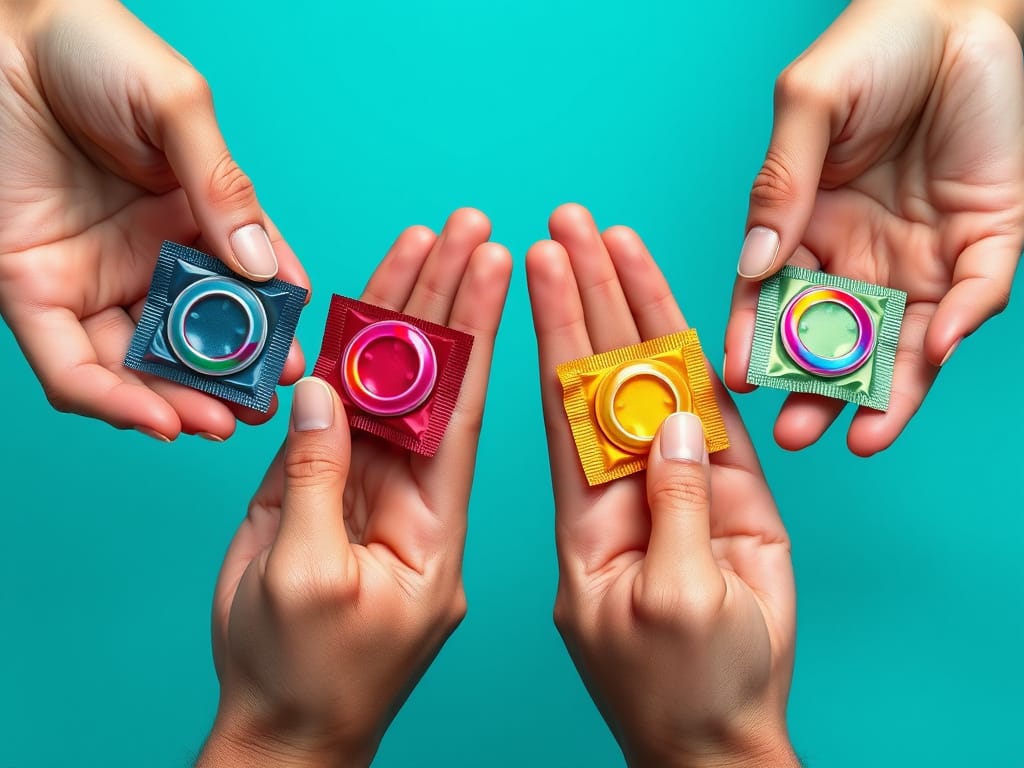
• External (Male) Condoms: Use a new latex or polyurethane condom for every act of vaginal, anal, and oral sex. Check the expiration date and ensure proper storage. Use water-based or silicone-based lubricant to prevent breakage.
• Internal (Female) Condoms: Worn inside the vagina or anus, these provide an alternative barrier option and offer protection against many STIs.
• Dental Dams: These thin sheets of latex or polyurethane are essential for safer oral sex on a vagina or anus. You can also cut an unlubricated condom lengthwise to create a makeshift dam.
• Source: [2] Planned Parenthood – How to Use a Condom: https://www.plannedparenthood.org/learn/birth-control/condom
4. Vaccinations: Proactive Protection
Certain STIs can be prevented through vaccination, offering long-term peace of mind.
• HPV Vaccine (Gardasil 9): HPV is an extremely common virus linked to cervical cancer and other cancers. The HPV vaccine is recommended for adults up to age 45 and protects against the high-risk strains of the virus [3].
• Hepatitis A and B Vaccines: Hepatitis A and B are viral infections that can be transmitted sexually. Vaccination schedules are available for both, providing robust protection.
• Source: [3] Centers for Disease Control and Prevention (CDC) – HPV Vaccine Recommendations: https://www.cdc.gov/vaccines/vpd/hpv/hcp/recommendations.html
5. The Role of PrEP and PEP
For those concerned about HIV, modern medicine offers powerful tools.
• PrEP (Pre-Exposure Prophylaxis): A daily prescription pill (like Truvada or Descovy) that is over 99% effective at preventing HIV when taken as prescribed [4]. It’s an excellent option for individuals at higher risk.
• PEP (Post-Exposure Prophylaxis): An emergency medication taken within 72 hours of a potential HIV exposure to prevent infection. It is not a substitute for ongoing safer sex practices.
• Source: [4] HIV.gov – About PrEP: https://www.hiv.gov/hiv-basics/hiv-prevention/using-hiv-medication-to-reduce-risk/pre-exposure-prophylaxis
Integrating Safer Sex into Your Play
Making these practices seamless is key.
Carry Your Own Supplies.
Don’t assume others will have what you need. Bring a variety of condoms (different sizes), lubricant, and dental dams.
Make it Sexy.
Incorporating a condom can be part of foreplay. Having your partner put it on you can be an intimate and arousing act.
Respect is Paramount.
If a potential partner states a boundary or requirement you cannot meet, respect their decision gracefully. A “no, thank you” is always acceptable.
Conclusion: Empowered Pleasure is the Best Pleasure
Adopting a rigorous safer sex protocol is the hallmark of a mature, responsible, and confident swinger. It demonstrates respect for yourself, your primary partner, and everyone you play with. By making communication, testing, and barriers a non-negotiable part of your lifestyle, you free yourself to explore the depths of pleasure and connection with true peace of mind. Your health is your most valuable asset—protect it fiercely so you can continue to enjoy the adventure for years to come.